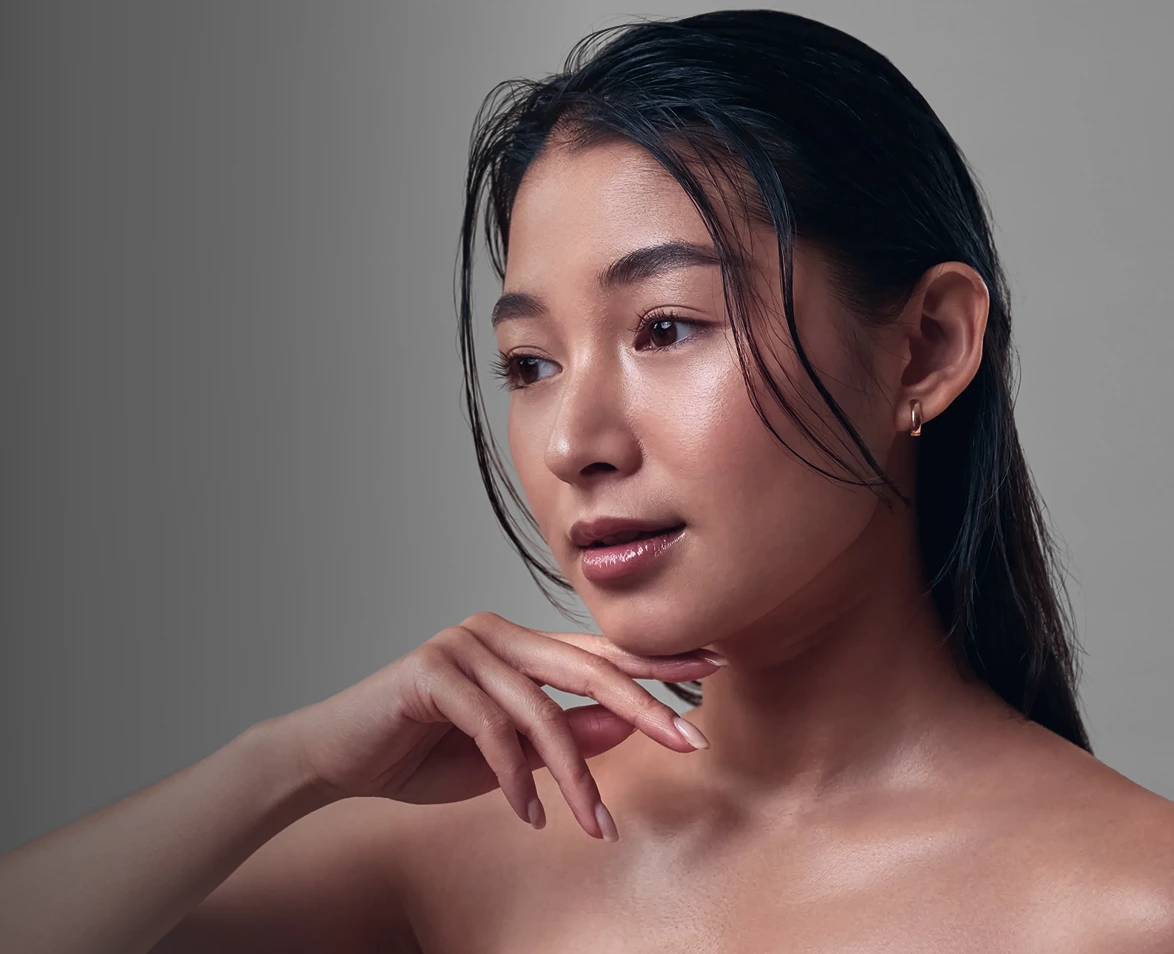
Lumecca IPL is for targeting sun damage, age spots, freckles, redness, and visible blood vessels, while chemical peels are ideal for smoothing texture, brightening dull skin, and providing an overall refresh. Both treatments can improve your skin, but they work in different ways and suit different goals. Many patients benefit from both at different times.
This article, explains how each treatment works, who each one is for, and what the experience is like. At Berardi Aesthetics & Plastic Surgery, we offer both treatments in our MedSpa. Our goal here is to help you walk into your consultation already understanding your options.
Lumecca is an intense pulsed light (IPL) treatment designed to treat pigmented and vascular lesions, such as age spots, freckles, sun spots, spider veins, broken capillaries, and redness linked to rosacea. IPL works by sending pulses of broad-spectrum light into the skin, which is absorbed by targets like melanin or hemoglobin. The light turns into heat, breaking up pigment or closing off vessels, and your body clears away the treated pigment and vessels over the following days.

Lumecca delivers a higher peak output than many traditional IPL systems, which means it can address pigment and redness more effectively and efficiently. Many patients notice a more even complexion after just one session.
Lumecca stands apart from traditional IPL because of its power. Stronger light energy can address pigment and redness more effectively in each session, often leading to visible change after a single treatment. More power per pulse also means treatments can be efficient, making Lumecca a practical choice for patients with busy schedules.
Lumecca is focused on tone and clarity. Its main benefits include an improved appearance of:
Age spots, including red and brown pigmentation
Vascular lesions such as spider veins
Rosacea
Freckles
Sun damage
Patients often describe their skin as brighter and more even overall. Reducing blotchy color can make skin look younger, even without changes to wrinkles or texture. Another benefit is the short downtime. Redness and a warm feeling in the skin are normal after treatment and usually fade within an hour. Most patients return to their normal routine the same day.
Lumecca IPL is ideal for patients who want to improve their skin tone due to sun damage and age spots. Strong candidates often have:
Brown spots on the face, chest, neck or hands
Freckles they would like to fade
Facial redness or flushing linked to rosacea
Small visible blood vessels or spider veins
Uneven tone from years of sun exposure
IPL tends to work most predictably on skin that is not tanned. Light-based treatments target color, so a recent tan or self-tanner can interfere. Skin tone also matters. During your consultation, our team reviews your skin type and history to decide whether Lumecca is a safe and effective fit.
A chemical peel uses a chemical solution to exfoliate the skin, removing dead skin cells and helping healthy skin cells rise to the surface. The result is skin that looks smoother, fresher, and more radiant. As we age, natural cell turnover slows down, and a peel speeds up this renewal process in a controlled way.
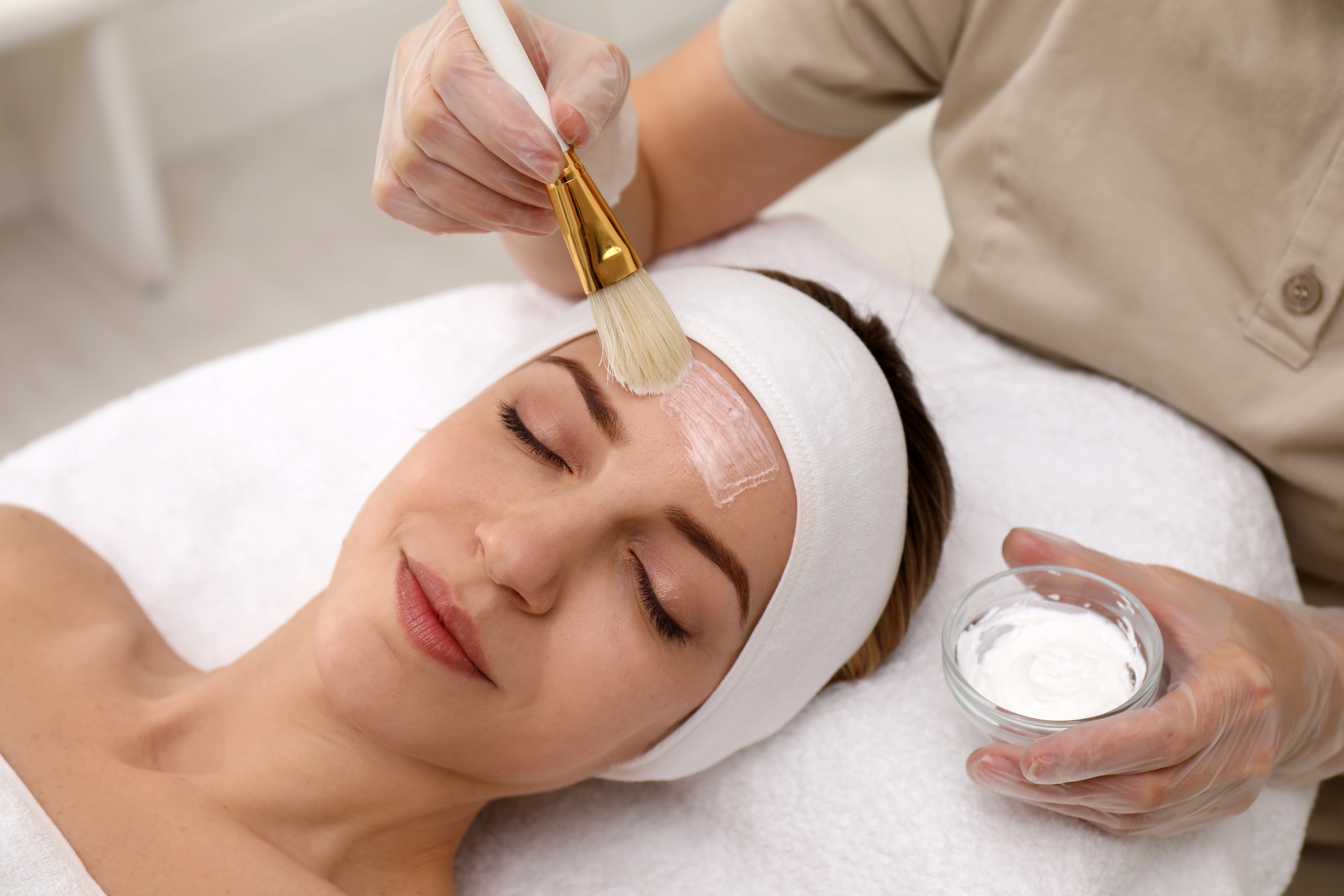
Peels can be adjusted to meet different goals. A light peel offers a quick refresh, while a stronger peel reaches deeper and addresses more stubborn concerns.
Chemical peels are generally grouped by how deeply they work in the skin.
Superficial peels act on the outermost layer of skin, using milder acids for gentle exfoliation. These peels are well suited to brightening dull skin and improving mild texture concerns.
Medium-depth peels reach further into the skin and can address more noticeable concerns such as uneven pigment, fine lines, and rough texture.
Deep peels penetrate the furthest and are used for more advanced concerns, involving the longest recovery.
The right type depends on your skin, your goals, and how much recovery time you can plan for.
Chemical peels improve the surface of the skin. Common benefits include:
Smoother skin texture
A brighter, more radiant complexion
Softened look of fine lines
More even skin tone
Reduced dullness from built-up dead skin cells
Better absorption of skincare products after treatment
Once the dead outer layer is cleared away, your daily products can work more effectively. Pairing a peel with a consistent home routine can help you keep your results longer.
Chemical peels suit a wide range of patients. Strong candidates often want to address:
Dull or tired-looking skin
Rough or uneven texture
Fine lines
Mild discoloration or uneven tone
Clogged pores and congested skin
Peels can be a good fit for patients who want a gradual, ongoing approach to skin health. Lighter peels in particular can be repeated on a regular schedule. Not everyone is a candidate for every peel. Active skin infections, certain medications, and recent sun exposure can affect whether a peel is appropriate. Our team reviews these details before recommending a specific peel.
Both treatments can leave you with clearer, brighter skin, but the way they get there is very different. Understanding these differences is the most useful part of comparing Lumecca IPL vs. Chemical Peel: What to Know before you decide.
Lumecca works with light, sending pulses of light energy into the skin to target specific colors such as brown pigment and red blood vessels. The surface of the skin stays largely intact while the treated targets beneath it break down.
A chemical peel works with exfoliation. A solution is applied to the skin to loosen and remove the outer layers. As those layers shed, newer skin moves to the surface.
Put simply, Lumecca targets color, while a peel targets the surface. Lumecca reaches specific spots and vessels. A peel renews the entire treated area evenly.
Lumecca is the stronger choice for concerns tied to color:
Brown spots and age spots
Freckles
Sun damage
Rosacea and facial redness
Spider veins and broken capillaries
A chemical peel is the stronger choice for concerns tied to the skin’s surface:
Rough or uneven texture
Dullness
Fine lines
Clogged pores
General loss of radiance
There is some overlap. Both treatments can help with uneven tone and mild discoloration. For distinct brown spots, Lumecca often delivers more visible change. For general unevenness paired with dullness, a peel may be enough. Redness and visible vessels are where the two treatments differ most. A chemical peel does not target blood vessels. If rosacea or broken capillaries are your main concern, Lumecca is designed for that job.
Lumecca results tend to show quickly. Many patients notice improvement after one treatment, but a series of 3 treatments is usually recommended for more complete and even results. For concerns such as rosacea, maintenance treatments may be needed over time.
Chemical peel results depend on the depth of the peel. A light peel often gives an immediate glow once any flaking settles. Deeper peels can produce more dramatic change in texture and tone, though they take longer to reveal final results.
Both treatments are most effective when combined with daily sun protection. New sun exposure can create new pigment and undo progress.
Preparing well helps either treatment go smoothly. For Lumecca, avoid sun exposure, skip self-tanners, hold off on retinoids, and arrive with clean skin. These steps help the light target the right areas and support a smoother experience.
After Lumecca, redness and warmth are normal and usually subside within an hour. Over the next several days, dark spots may temporarily look darker. This is an expected part of the process and a sign the treatment is working. Within a week, those spots begin to shed. Within 1 to 2 weeks, skin typically looks clearer and more even in tone.
Recovery after a chemical peel depends on its strength. A superficial peel may cause mild redness and light flaking for a few days. Medium and deeper peels involve more visible peeling and a longer healing period. During this time, it is important to let skin shed naturally and avoid picking at it.
For both treatments, our aesthetician explains what to avoid after your visit. This guidance is tailored to the treatment you received and your skin type. Following it closely protects your skin and your results.
In general, Lumecca has very little social downtime. The temporary darkening of spots is usually easy to cover or simply wait out. Lighter peels also fit easily into most schedules. Deeper peels require more planning around work and social events.
There is no single right answer for every patient. The right choice depends on what bothers you most about your skin, your schedule, your skin type, and your long-term goals.
Your main concern. If you see distinct brown spots, freckles, redness, or tiny veins, Lumecca is likely the more targeted option. If your skin looks dull, feels rough, or shows fine lines, a chemical peel may be the better fit.
Your skin type and tone. Light-based treatments respond to color in the skin. Your natural skin tone and any recent tan affect whether IPL is appropriate. Chemical peels also need to be matched to your skin type.
Your recent sun exposure. A fresh tan can rule out Lumecca until it fades. It can also affect how your skin responds to a peel.
Your current skincare routine. Retinoids and certain active ingredients can make skin more sensitive. You may need to pause them before either treatment.
Your available downtime. Lumecca and lighter peels allow you to return to daily life quickly. Deeper peels need more recovery time.
Your long-term plan. Many patients do not choose just one treatment. Lumecca can clear pigment and redness, while periodic peels maintain smooth, bright texture. Spacing these treatments correctly matters.
Other treatments you are considering. Some concerns call for different tools. For deeper texture issues or collagen support, treatments such as microneedling may come into the conversation. For hydration and a quick glow, a HydraFacial is another option.
A consultation is the first step to determine the appropriate treatment. Reading about Lumecca and chemical peels helps you ask good questions, but only an in-person skin assessment can confirm which option fits you.
During a consultation, our team looks closely at your skin, discusses what you want to change, reviews your skin history, and goes over the products and medications you use. From there, we build a plan tailored to you. That plan may include Lumecca, a chemical peel, a combination of both, or a different treatment altogether. You leave knowing which treatment we recommend, why we recommend it, and roughly how many sessions to expect.
Our MedSpa treatments are guided by Joseph Berardi, Plastic Surgeon, and performed by team members such as Stephany, Aesthetician & Laser Tech. Stephany works with patients on light-based and skin treatments every day.
Honest guidance matters as much as the treatment itself. If a peel will serve you better than Lumecca, we will tell you. If you need to wait for a tan to fade before IPL, we will help you plan for that.
The heart of Lumecca IPL vs. Chemical Peel: What to Know is matching the treatment to the concern. Lumecca uses light to target brown spots, freckles, sun damage, rosacea, and visible vessels, with redness that usually fades within an hour and a typical series of 3 sessions. Chemical peels exfoliate the surface to improve texture, dullness, and fine lines, with recovery that depends on peel depth. Many patients benefit from both over time, and a consultation with our team in Scottsdale, AZ is the clearest way to decide where to start.