Losing 80, 100, or even 200+ pounds is one of the hardest things a person can do – and if you’re reading this, you already know that the work doesn’t always end when the scale hits your goal number. Loose, hanging skin around the abdomen, arms, thighs, and chest is a common and completely normal result of major weight loss, and the honest answer is that no amount of diet or exercise will tighten skin that has lost its elasticity.
The solution is a personalized combination of body contouring procedures – things like a tummy tuck, arm lift, thigh lift, or panniculectomy – timed and sequenced correctly for your body. That’s exactly what a post-weight-loss body contouring plan is designed to do.
When you carry excess weight for years, the skin stretches to accommodate it. Collagen and elastin fibers – the proteins that give skin its snap-back quality – become damaged in the process. Once that happens, skin generally can’t fully retract, no matter how much weight you lose or how disciplined you are with strength training. This isn’t a failure on your part. It’s simple biology, and it’s the single biggest reason people who’ve lost significant weight still don’t feel like they’re seeing their “real” body under the loose skin.
The excess tissue isn’t just a cosmetic frustration, either. It’s a common source of real physical discomfort, including:
Chafing, rashes, and skin infections in folds that stay damp
Back and neck pain from carrying heavy skin aprons
Difficulty exercising or finding clothes that fit properly
Ongoing self-consciousness that can undercut all the progress you’ve made
Timing matters more here than in almost any other area of plastic surgery. Operating too soon can mean redoing work later, so most surgeons look for a few signals before recommending surgery:
Weight stability. Your weight should be steady for at least 6 months, without significant fluctuation.
Nutritional health. Especially important after bariatric surgery, since low protein and vitamin levels can slow healing.
Realistic goals. You’re not chasing perfection – you’re aiming to remove excess skin and restore a proportionate, functional shape.
Overall medical clearance. Your primary care doctor or bariatric team should sign off, particularly if you have diabetes, heart issues, or are still adjusting to major dietary changes.
Jumping into surgery before your weight has settled is one of the most common regrets patients describe – it usually means a second surgery down the road to address new laxity.
No two weight-loss journeys reshape the body the same way, so your plan should be built around where you’re carrying the most excess skin and where it bothers you most.
This is where most patients start, since abdominal skin tends to be the most dramatically affected.
A tummy tuck removes excess skin and tightens the underlying muscles for a flatter, firmer contour.
For patients with a larger overhang or skin that also wraps around the sides, a fleur-de-lis tummy tuck adds a vertical incision to remove skin both horizontally and vertically.
If your main goal is removing the hanging apron of skin without extensive muscle repair, a panniculectomy may be the more appropriate – and sometimes insurance-eligible – option.
Loose, swinging skin along the upper arms (often called “bat wings”) is addressed with an arm lift, which removes excess skin from the underside of the arm from the elbow up toward the armpit. Patients with a moderate amount of remaining fat sometimes benefit from combining this with liposuction for a smoother overall result.
Inner and outer thigh skin rarely tightens on its own after significant weight loss. A thigh lift reshapes the thigh by removing excess skin and reducing friction and chafing that many patients deal with daily.
Weight loss changes breast volume and position. Women often benefit from a breast lift or breast reduction to restore a more youthful shape, while men dealing with excess chest tissue may look into male chest reduction.
This is one of the most common questions patients ask, and the honest answer is: it depends on your goals, your health, and your recovery tolerance. Combining procedures – for example, a tummy tuck with an arm lift – can mean one recovery period instead of two or three, which many patients prefer. But combining too much at once increases surgical time and recovery demands, so your surgeon will weigh safety alongside convenience.
During your consultation, you and your surgeon can map out whether to stage your procedures over separate surgeries spaced months apart or combine select areas into a single operation.
Recovery timelines vary by procedure, but most body contouring surgeries after major weight loss follow a similar pattern. The first one to two weeks involve the most restriction – limited movement, compression garments, and close monitoring for swelling or fluid buildup. Most patients return to desk work within two to three weeks, though full recovery and final results can take several months to fully settle as swelling resolves and scars mature. Because so much skin has often been removed, healing can take a bit longer than in traditional cosmetic surgery – patience during this phase makes a real difference in your final outcome.
Cost is often the biggest hesitation for patients who’ve already invested so much in their health. Some procedures, like a panniculectomy, may be partially covered by insurance if you can show a documented medical need, such as recurring rashes or infections. Purely cosmetic procedures typically aren’t covered, but many practices – including ours – offer financing options to help make treatment more accessible.
You’ve already done the hardest part. The final step – reshaping the body left behind by that hard work – deserves the same level of intention and care. Dr. Joseph Berardi and his team at Berardi Aesthetics & Plastic Surgery work closely with post-weight-loss patients to build a plan that fits your body, your timeline, and your goals, rather than a one-size-fits-all approach.
If you’re ready to discuss your options, you can view real before-and-after results from patients who’ve made this same journey, or request a consultation to start building your personalized plan.
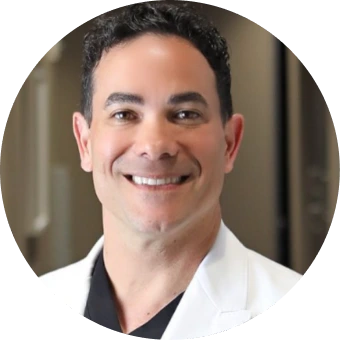
About the Author
Dr. Joseph Berardi
September 9, 2026