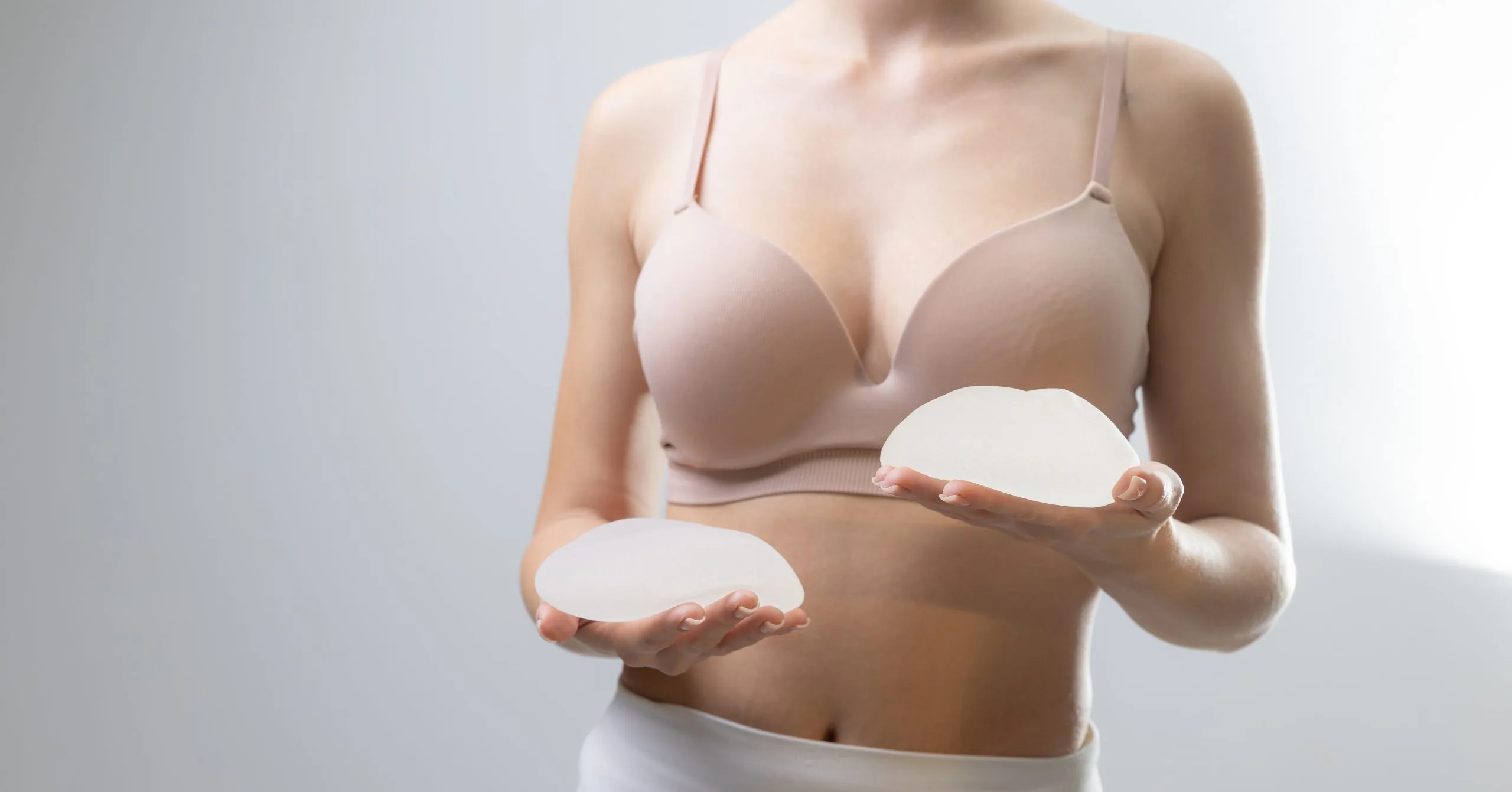
Breast implants typically last 10-20 years on average, though many can last significantly longer with proper care and monitoring. While there is no exact expiration date, most women will need at least one implant-related surgery during their lifetime due to normal wear, body changes, or personal preferences.
The decision to revise your breast augmentation is a personal one, based on the integrity of the implant, your aesthetic goals, and the guidance you receive during a consultation with a plastic surgeon like Dr. Joseph Berardi.
Modern breast implants from leading manufacturers typically function well for 15-20 years or more. Understanding longevity involves looking beyond a single number – it requires considering manufacturer data, patient experiences, and the evolution of the devices themselves. At our Scottsdale practice, we ensure patients have a clear and realistic understanding of what to expect from their implants over the long term.
The idea that breast implants must be replaced every 10 years is a common but outdated myth. This guideline originated from older implant models and warranty periods. Today, the 10-year mark is better viewed as a significant checkpoint – an excellent time to schedule a thorough evaluation with your surgeon to assess the state of your implants and discuss your long-term goals.
Most modern breast implants have an average lifespan of 10 to 20 years. Today’s implants feature improved shell technology and manufacturing processes that extend their lifespan:
Saline implants: 10-15 years average
Silicone gel implants: 15-20 years average
Highly cohesive silicone implants: 20+ years potential
Many patients’ implants last well beyond a decade without any issues. Conversely, some patients may require a breast revision sooner due to individual factors.
Yes, some breast implants can last 25-30 years or longer. While not typical, it is possible for breast implants to last this long. Patients who receive high-quality implants, follow post-operative care instructions, and maintain regular check-ups often enjoy decades of satisfaction.
Rupture rates vary based on several factors. Implant technology has improved significantly over the decades:
Brand: The three major FDA-approved U.S. manufacturers – Allergan, Mentor, and Sientra – show broadly comparable rupture profiles in their required FDA core studies. No single brand has a dramatically superior record; choosing between them is better guided by implant type, size, and your surgeon’s recommendation than rupture statistics alone.
Year manufactured: This is where the difference is most significant. Older implants, particularly those placed before 2000, had rupture rates estimated as high as 50% or more over a lifetime. Post-2006 fifth-generation implants, featuring thicker, more durable shells and cohesive silicone gel that resists migration even if the shell is compromised, have reduced that risk substantially. FDA-required 10-year follow-up data for modern implants shows rupture rates in the range of 10–15% – still meaningful, but a major improvement over earlier generations.
Surgery type: Primary augmentation consistently shows lower rupture and complication rates than revision surgery. Revision procedures involve working around existing scar tissue and a previously altered pocket, which creates additional mechanical stress on the new implant. Patients undergoing revision should factor this into their expectations and monitoring plan.
Surgical technique: Meticulous surgical technique, like that practiced by Dr. Berardi, minimizes stress on the device
Saline Implants:
A rupture is immediately obvious
The sterile saltwater solution leaks out and is harmlessly absorbed by the body
The breast deflates within hours or days
Simpler replacement process
Average 10-15 year lifespan
Silicone Implants:
A rupture can be “silent” because modern silicone gel is highly cohesive
May last longer overall
Require imaging for rupture detection
Average 15-20 year lifespan
The FDA has specific recommendations to ensure the ongoing safety of your implants:
Regular self-examinations
Annual clinical examinations
For silicone gel implants: MRI or ultrasound screening to detect silent ruptures
For saline implants: No routine imaging needed, as rupture will be obvious due to deflation
Immediate evaluation of any changes
For patients with silicone implants, the FDA recommends getting the first ultrasound or MRI to check for silent rupture 5-6 years after your initial breast augmentation surgery. Following that, screenings are recommended every 2-3 years.
Knowing when you need removal or replacement is about recognizing changes in your body. Regular self-exams and professional evaluations are your tools for monitoring your breast health.
Patients seek implant removal or revision for several reasons:
Rupture or Deflation: The most straightforward reason for surgery
Capsular Contracture: Hardening of the scar tissue around the implant
Aesthetic Dissatisfaction: A desire to change size or shape, or address changes caused by aging or weight fluctuations
Implant Malposition: Issues like the implant dropping too low (“bottoming out”)
Natural aging effects
Rippling or visibility
Personal Choice: Simply deciding you no longer wish to have breast implants
Whenever a foreign object is placed in the body, a scar tissue capsule naturally forms around it. Capsular contracture occurs when this capsule tightens and squeezes the implant. This condition:
Affects 5-10% of augmentation patients
May develop months or years post-surgery
Can cause the breast to feel hard, look distorted, and become painful
Often requires surgical correction to remove the capsule and replace the implant
The likelihood of both implant rupture and symptomatic capsular contracture increases the longer the implants are in place. Leaving it in place can lead to inflammation and the formation of scar tissue as your body reacts to the free silicone gel.
While no implant lasts forever, you can take steps to protect your investment and promote a long, problem-free result.
Choose a Skilled Surgeon: An experienced plastic surgeon minimizes trauma during surgery and ensures perfect placement
Follow Post-Op Instructions: Adhere to all recovery guidelines regarding activity, bra support, and scar care
Maintain a Stable Weight: Significant weight fluctuations can affect breast shape and position
Perform Regular Self-Exams: Know what your breasts normally feel like to identify changes
Keep Your Follow-Up Appointments: Attend annual check-ins and recommended imaging
Wear Supportive Bras: Especially during physical activities
Avoid Trauma: Protect your chest area from impacts
Prompt Attention: Address any concerns immediately
Dr. Joseph Berardi emphasizes preventive care to help patients maintain long-lasting results.
Modern implants are durable and can last decades with proper care, but are not lifetime devices. Regular monitoring, awareness of warning signs, and maintaining an ongoing relationship with a trusted plastic surgeon are essential.
Whether you’re considering your first augmentation or evaluating existing implants, understanding factors that affect longevity empowers you to make the right decisions for your body and lifestyle.
About the Author
Dr. Joseph Berardi
May 14, 2026